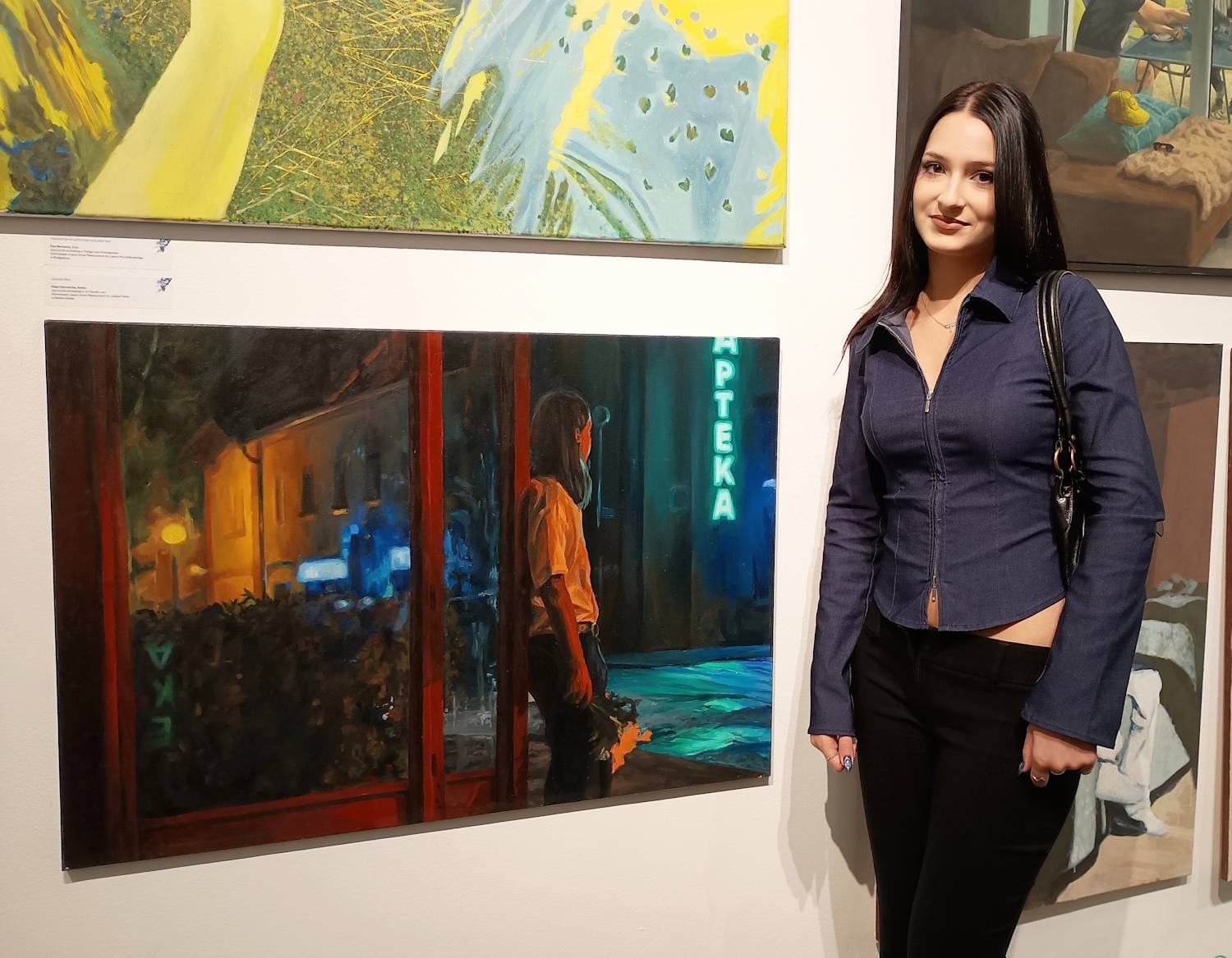
Jazz to coś więcej niż tylko gatunek muzyczny – to zjawisko, które odzwierciedla historię, przemiany społeczne i kulturowe Stanów Zjednoczonych. O tym narodzony na początku XX wieku w Nowym Orleanie stylu muzycznym, jako synonimie wolności i kreatywności przeczytamy w artykule Zosi Karczewskiej (klasa 2a), mającym się ukazać wiosennym numerze naszej anglojęzycznej gazetki szkolnej AimHigh Magazine. Zapraszamy do lektury!
===============
The Beginnings of Jazz in America
Most people think that jazz is just a genre of music. However, jazz is more than that; it is a phenomenon that reflects the cultural richness of the USA. It also illustrates the social and political changes that were taking place in the country at the time. Jazz inspired rock, pop, and even hip-hop; it also influenced literature, art, and film, creating new narratives and artistic styles.
Jazz originated in New Orleans in the early 20th century. It combines various musical styles, such as ragtime, blues, and folk music. Its development was closely linked to the history of African Americans and their struggle for equality. The rise in popularity of jazz among African Americans was not only a matter of music but also an important component of cultural identity. The jazz lifestyle, associated with improvisation and originality, inspired younger generations of artists and influenced the development of other musical genres. As a result, jazz became an important part of American culture, uniting not only different generations of African Americans but also society as a whole. This kind of music helped build interracial relations.
In the 1950s and 1960s, a period of intense civil rights protests, jazz became a symbol of the anti-racism movement. Clubs became places where people of different races could meet and enjoy art together. In this way, jazz contributed to social integration, showing that music does not divide people but brings them together.
One of the most important elements of jazz is improvisation, which allows musicians to express themselves freely. Although jazz draws on tradition, its heart beats to the rhythm of innovative ideas. Improvisation allows classic pieces to be reinterpreted and transformed into something completely new. It is not just a technique but a true art of self-expression. It is a magical moment when musicians are free from all boundaries and rules, creating sounds live and combining their emotions with the sounds of their instruments. In this art form, each performance is unique, and it is almost impossible to hear the same concert twice.
In cities such as New York, New Orleans, and Chicago, jazz gained its place on the cultural map. Neighbourhoods like Harlem became symbols of jazz development, serving as meeting places for many well-known artists such as Louis Armstrong, Duke Ellington, and Billie Holiday. In these places, music was everywhere. It not only entertained people but also touched their hearts and addressed current social and racial problems.
Jazz has an extraordinary power that connects different generations, regardless of culture or history. It is a genre that evolved from African musical traditions, but its influence extends across the whole world. Musicians from different countries, often young, give it a contemporary and distinctive sound—and that is the true goal of jazz: to create something new without borders, so that people can truly feel themselves in the music.
Zosia Karczewska (2a)